

America Alone: What U.S. Military Power Really Looks Like Without Allies
As allies hesitate, a deeper look at what “going alone” really means for U.S. power


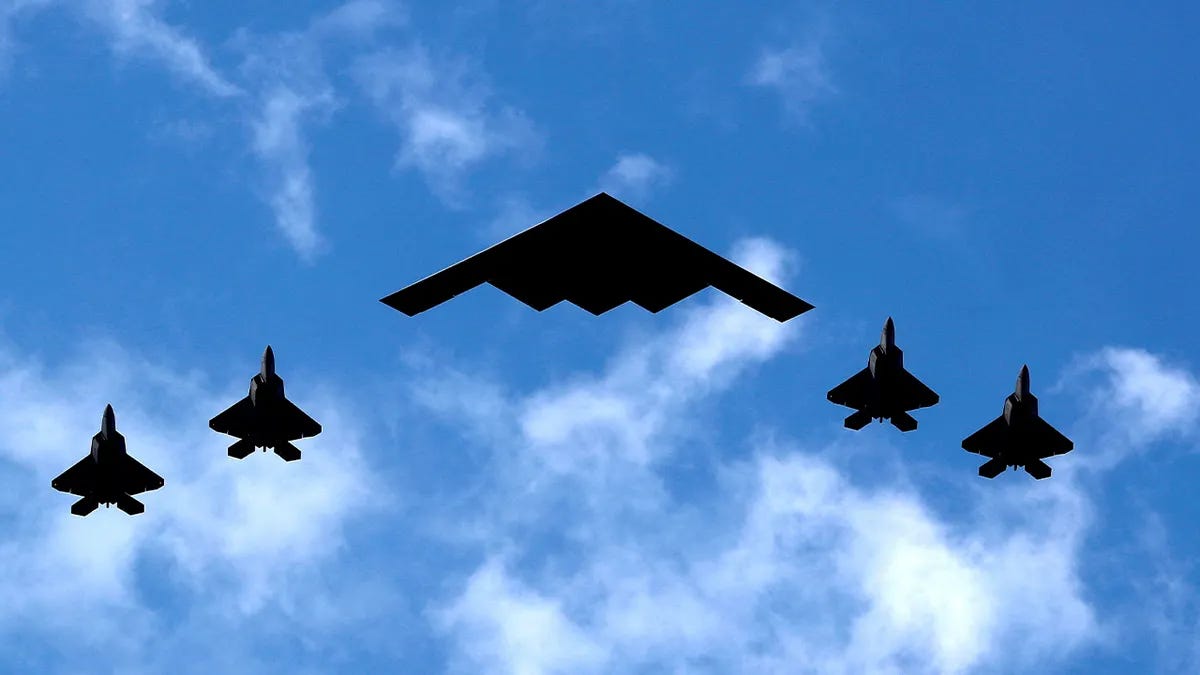
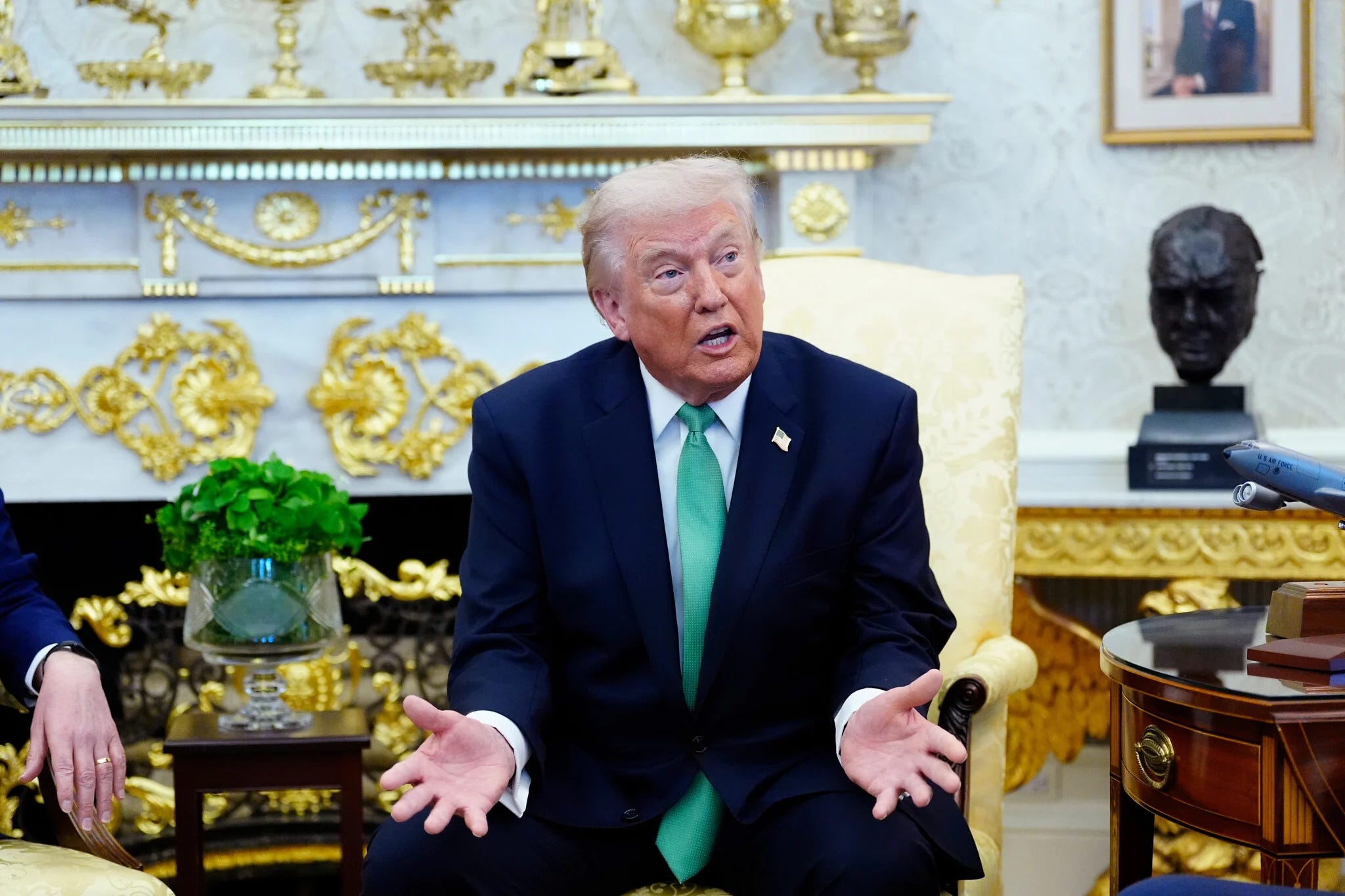
Just days after calling on U.S. allies to help secure the Strait of Hormuz, President Donald Trump sat in the Oval Office and claimed he never needed their help.
On the surface, it sounds like a political pivot.
But in reality, it exposes something much bigger.
Because the question isn’t whether the United States can act alone.
The question is what it actually costs when it does.
The Illusion of Going It Alone
For decades, the United States has been the most powerful military force in the world. Our defense budget dwarfs every other nation. Our technology is unmatched. Our global reach is unprecedented.
So, it’s easy to believe in the idea that America doesn’t need anyone.
That we can fight—and win—on our own.
And in the short term, that belief isn’t entirely wrong.
If a conflict broke out tomorrow, the United States could still project overwhelming force. We could deploy aircraft carriers, dominate the skies, and strike targets across the globe.
But wars are not won in days.
They are won over time.
And that’s where the reality begins to shift.
Power vs. Sustainability
Without allies, the United States doesn’t suddenly lose all power.
The power becomes limited.
Military strength isn’t just about weapons. It’s about logistics, geography, intelligence, and endurance.
Allies provide all of those things.
They provide bases closer to conflict zones. They provide ports for resupply. They provide intelligence networks that span continents. They provide troops, funding, and political legitimacy.
Take those away, and the U.S. is still powerful—but it has to carry the entire weight of war alone.
And that changes everything.
The Ground War Problem
On paper, the U.S. Army remains one of the most capable fighting forces in the world. But without allies, every deployment becomes harder.
Instead of staging troops from bases in Europe or the Middle East, they’ll have to move directly from the United States. That adds time, cost, and complexity.
There are no coalition partners to share the burden. No additional ground forces to rotate in. No shared responsibility.
Every casualty, every deployment cycle, every logistical challenge falls entirely on us. And over time, that strain adds up.
Control of the Seas—With Limits
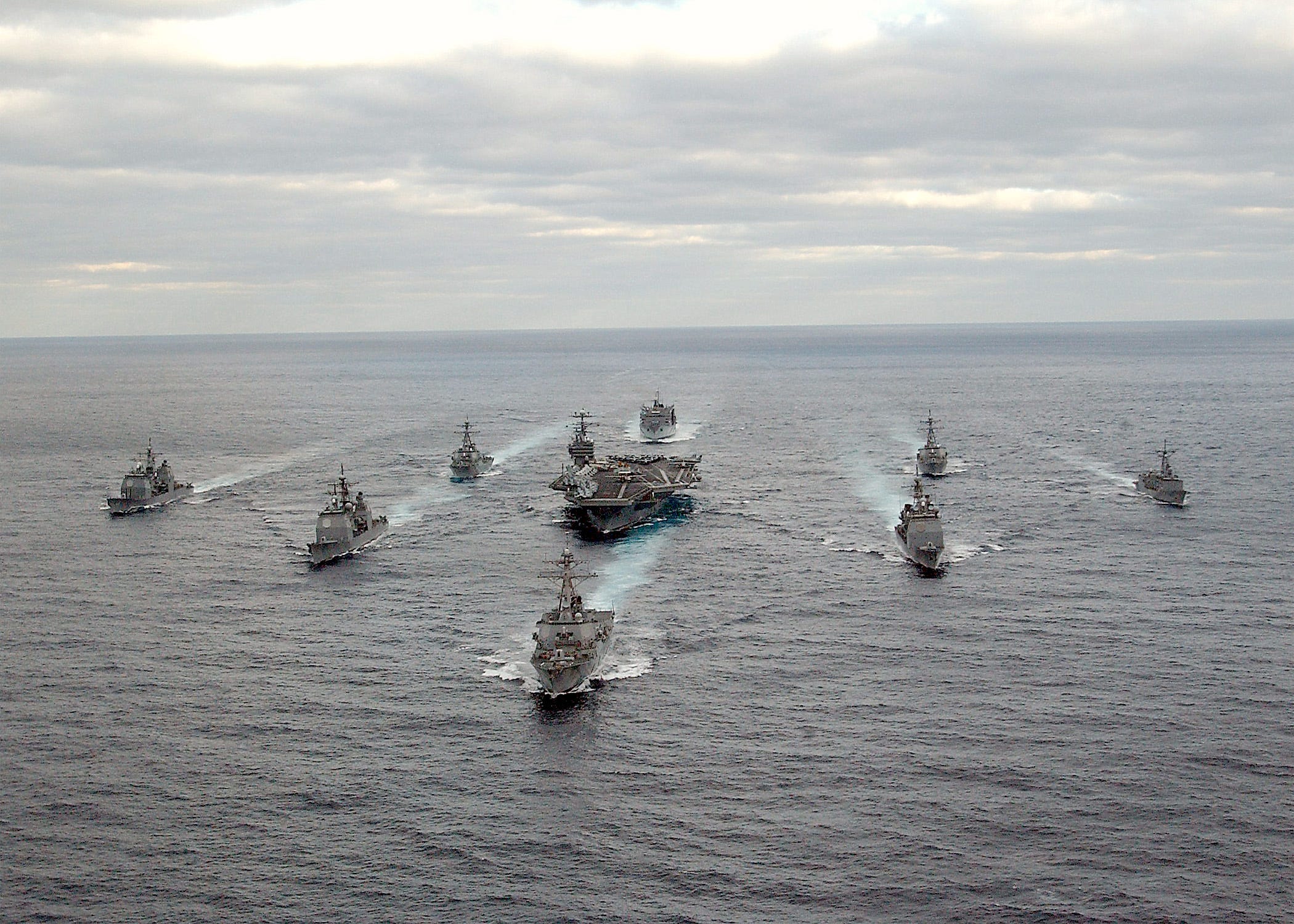
The U.S. Navy is still the most dominant naval force on Earth. No country comes close to us on the number of aircraft carriers or global reach.
But even that dominance depends on access.
Allied ports in places like Japan, the United Kingdom, and the Middle East allow our ships to refuel, repair, and resupply without returning home.
Without those access points, operations become more stretched.
Ships stay deployed longer. Maintenance cycles tighten. Supply lines grow longer and more vulnerable.
The Navy doesn’t lose its strength.
It loses its efficiency.
Air Power Without a Forward Presence
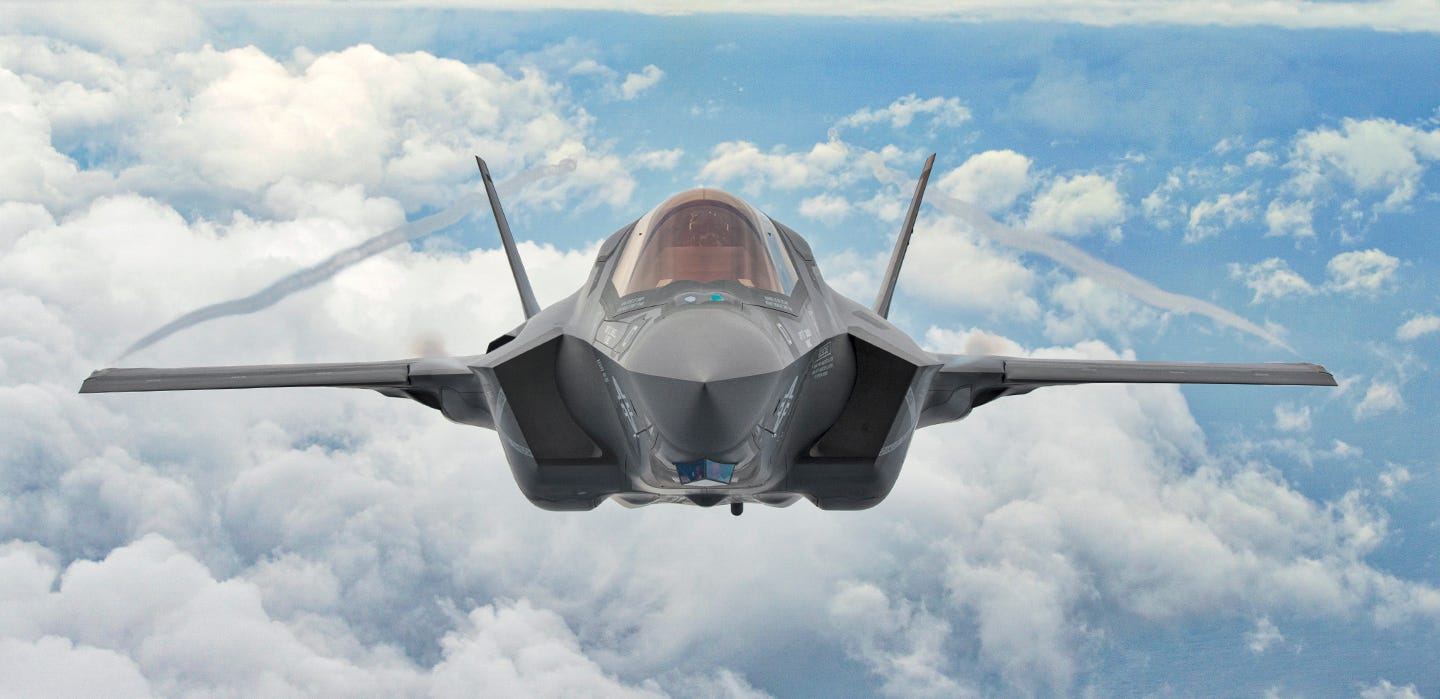
The U.S. Air Force is built around speed and reach.
But that reach depends heavily on forward bases.
Air bases in Germany, Qatar, Japan, and South Korea allow our aircraft to operate close to potential conflict zones. They enable faster response times and higher sortie rates.
Without those bases, aircraft must operate from much farther away—or rely heavily on aircraft carriers.
That means fewer missions, longer flight times, and greater logistical strain. The U.S. would still control the skies. But doing so would cost more—and take longer.
The Hidden Backbone: Logistics
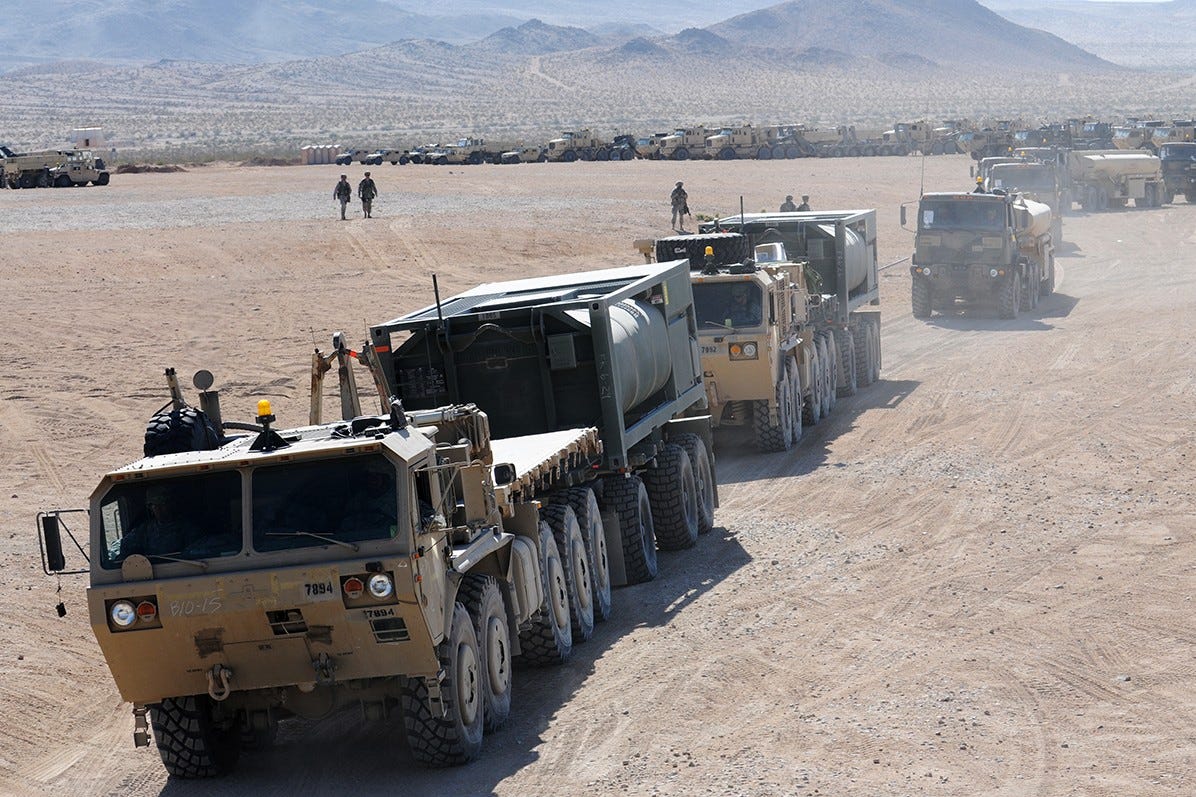
If there is one area where allies matter most, it’s logistics.
Wars are not won by weapons alone. They are won by supply chains.
Fuel. Ammunition. Spare parts. Food. Medical support.
All of it has to move, constantly.
Allied nations provide critical infrastructure that makes that movement possible. Bases, roads, ports, and regional networks that keep operations running.
Without that network, we’ll have to build or supply everything on our own—often across thousands of miles.
That’s expensive and slow.
And in a prolonged conflict, that can become decisive.
The Intelligence Gap
Another often overlooked advantage of alliances is intelligence.
The United States benefits from shared intelligence networks with allies across the world. Surveillance, signals intelligence, regional expertise—all of it contributes to a clearer picture of the battlefield.
Without those partnerships, blind spots grow.
Decisions become riskier. Mistakes become more likely.
And in modern warfare, information is just as important as firepower.
The Cost of Standing Alone
There is also a financial reality.
War is expensive. Even with allies, the costs are enormous.
Without them, the United States absorbs everything.
No shared funding. No burden-sharing agreements. No logistical contributions.
Every ship deployed. Every aircraft flown. Every operation conducted—paid for alone.
And in a long conflict, that cost doesn’t just affect the military.
It affects the economy.
Why Time Matters More Than Power
This is where the bigger strategic picture comes into focus.
Because the real question isn’t whether the United States can win a fight.
It’s whether it can sustain one.
Countries like Iran understand this.
Their strategy has never been about defeating the United States outright. It has been about endurance—absorbing pressure and extending conflict long enough to raise the cost for their opponent.
In other words, they don’t need to win quickly.
They just need to outlast America.
And fighting America without her allies, that becomes much easier.
A Shift in Global Dynamics
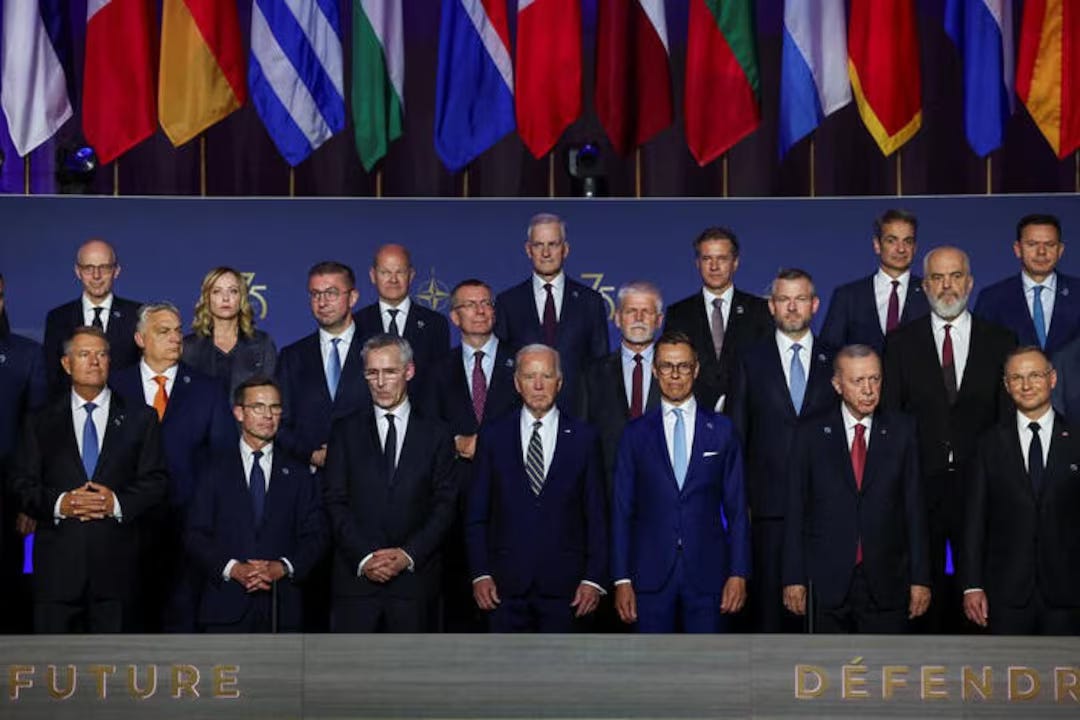
What we’re seeing now isn’t just a disagreement between the President and our allies. It’s a shift.
A moment where countries are increasingly willing to make decisions based on their own interests rather than automatically aligning with Washington.
That doesn’t mean alliances are gone.
But it does mean they are no longer guaranteed.
And that has real consequences.
Conclusion: Strength Isn’t the Same as Leverage
The United States remains the most powerful military force in the world.
That hasn’t changed.
But power and leverage are not the same thing.
Allies amplify power. They extend it. They sustain it.
Without them, we’re still strong.
But we’re isolated.
More stretched.
And more vulnerable over time.
So, when ignorant leaders say America doesn’t need allies…
The reality is more complicated.
Because going alone isn’t impossible.
It’s just a lot more costly in the short term but devastating long term.