



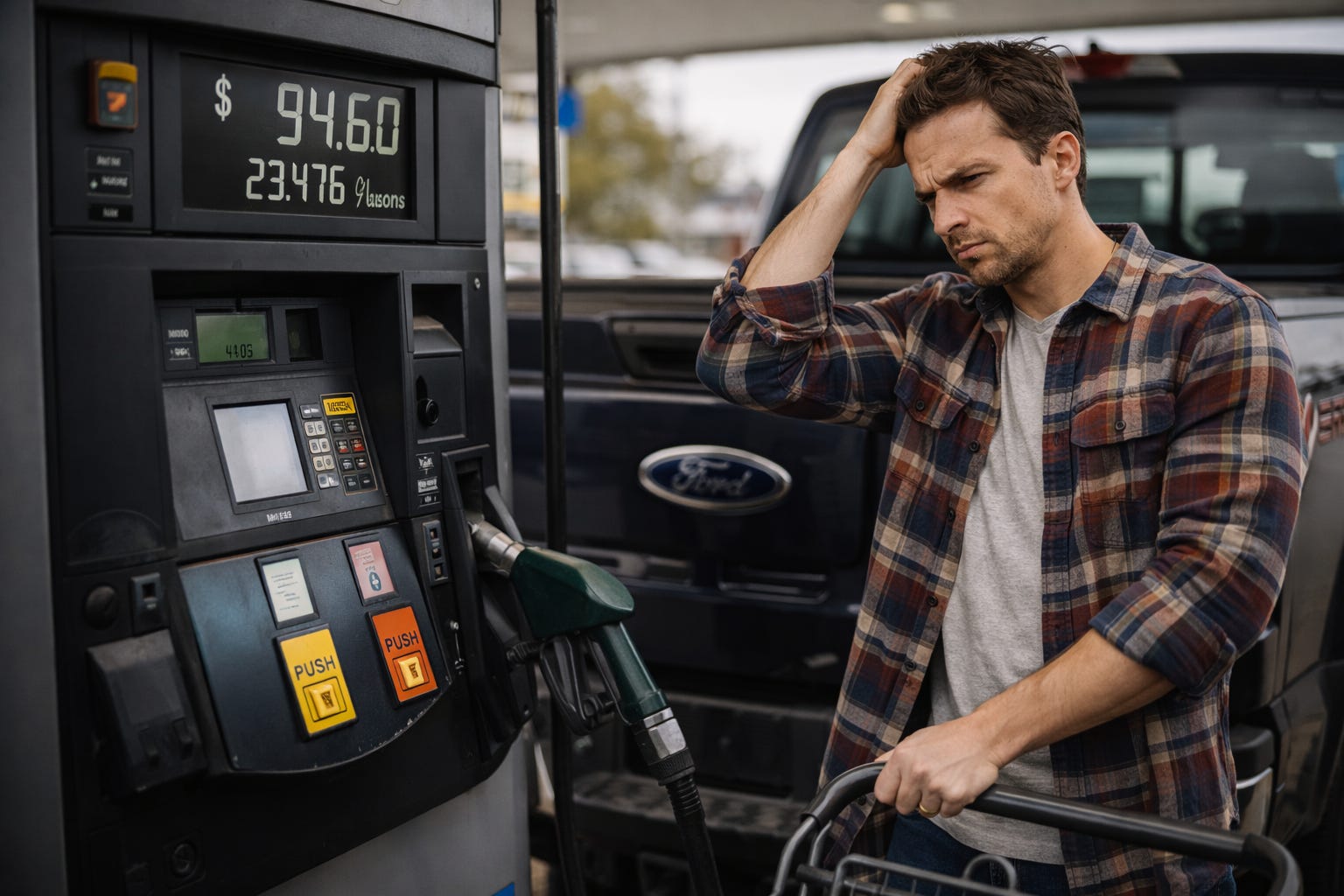
Politicians across the country are campaigning on a familiar promise: lowering the cost of living. It’s an easy message to understand and an even easier one to support. After all, who wouldn’t want cheaper groceries, lower rent, and more breathing room at the end of the month? I know I do!!
But here’s a question I think we all should be asking, one that should follow the lower-the-cost-of-living campaign promise: Can prices actually go back down?
From what I know, as someone who has studied business and economics, the answer is no. Not in any meaningful or lasting way.
The Reality at the Checkout Line
Lately, a trip to the grocery store feels less like routine and more like a math exercise. I find myself adding up items as I go, quietly calculating whether what’s in my basket will match the tight food budget I’ve had to put myself on.

This isn’t unusual anymore—it’s the norm. Prices have not just spiked temporarily; they are now reset to a higher level.
And that’s the key point many political conversations gloss over: inflation isn’t just about prices rising. It’s about prices staying high once they get there.
Why Prices Rarely Go Backward
I am almost one-hundred percent sure that most people believe if inflation “comes down,” prices will follow. But that’s not how the system works. Inflation “coming down” just means the rate prices are rising has slowed—not that they’re falling. For prices to return to where they were before tariffs, before supply chain shocks, before global conflict, we would need widespread deflation. Deflation sounds great in theory. The collective sigh of relief from everyone would be heard around the world.
But imagine this: if you knew the big screen television you saw at Costco or the car you’ve been eyeing on those YouTube car videos would be cheaper next month, you might wait. And if everyone starts thinking that way, spending slows down.
When spending slows, businesses feel it. And when businesses feel it, they don’t lower prices—they start cutting their costs. One of the biggest expenses for most businesses is salaries expense, and that’s what businesses often target when they tighten their budgets, which translates into hiring fewer people and lowering pay for advertised jobs. Lower prices may sound appealing, but widespread deflation can actually make people worse off, not better.
Politicians always say the things they think voters need to hear to motivate them to vote for them as a candidate, but the reality is the system is designed to prevent prices from falling significantly.
The “system” I am speaking of is made up of central banks (like the Federal Reserve), government fiscal policy, and the broader structure of the economy that influences spending, wages, and investment. Together, these forces are designed to keep demand steady and avoid falling prices, even during economic slowdowns.
The Federal Reserve doesn’t aim for zero inflation—it targets steady price increases, typically around 2 percent. And when the economy weakens, policymakers respond by lowering interest rates, increasing the money supply, or boosting government spending to keep demand from collapsing. The goal isn’t to bring prices back down—it’s to keep them from falling at all, because falling prices can trigger a broader economic slowdown.
Structural Changes, Not Temporary Spikes
What we’ve experienced over the past several years isn’t just a blip—it’s a structural shift.
Tariffs raised the baseline cost of imported goods. Once companies adjust pricing upward, they rarely reverse course.
Supply chain disruptions forced businesses to rethink sourcing and logistics, often at higher cost.
Energy and geopolitical tensions, including conflict in the Middle East, have added long-term uncertainty and expense.
Labor costs have increased, and while that’s good for workers, it also feeds into higher prices across industries.
These are not temporary pressures. They reshape the floor of the economy.
The Political Incentive to Promise the Impossible
There’s a reason candidates lean into “lowering costs” instead of talking about wage growth or structural reform—it’s more emotionally resonant.
Telling voters, “we’ll make things cheaper” is simpler than saying, “high prices are the new normal, and we need to help you earn more.”
Even when governments intervene—through subsidies, tax credits, or price controls—the effects are usually limited, temporary, or come with tradeoffs elsewhere.
If prices aren’t going back, then the real conversation needs to shift. Instead of asking how to bring prices down, we should be asking:
How do we help incomes rise to meet this new reality?
How do we increase productivity and opportunity?
How do give help to and ensure growth reaches those people who are being squeezed the hardest?
There’s also a psychological adjustment that needs to happen as much as an economic one.
For decades, Americans were used to relatively stable prices. Sure, there were occasional dips, but relatively stable nonetheless. That state of existence is now behind us. What we’re seeing now is a recalibration—one where higher prices become the rule, not the exception.
That doesn’t mean we should just accept that things will be hard economically, it just means we need to be clear-eyed about what’s possible.
The Hard Truth
The hard truth is this: the cost-of-living problem is increasingly an income problem. Prices are unlikely to return to pre-tariff, pre-inflation, pre-conflict levels. Not because policymakers don’t care—but because the economic system doesn’t work that way.
The sooner we accept that reality, the sooner we can focus on solutions that actually work: raising incomes, expanding opportunity, and building resilience in a higher-cost world.
Until then, we’ll keep doing what many of us are already doing—adding things up in the grocery aisle, hoping it all fits.