




Reports about the current situation in the Strait of Hormuz have been dominating the news cycle for the past weeks since tensions in the Middle East have continued to escalate. Historically, any time there is conflict in the region, this waterway becomes the focus of attention because of its strategic, commercial, and operational value.
Usually, the coverage goes something like this:
Oil tankers
Military buildup
Gas prices
Those things do matter, but oil and gas prices are not the only things affected when shipping is halted on the waterway.
Closure of the channel triggers a global domino effect that ripples through supply chains, manufacturing systems, and everyday essentials in ways most people never think about, until they see prices rising or goods disappearing from store shelves.
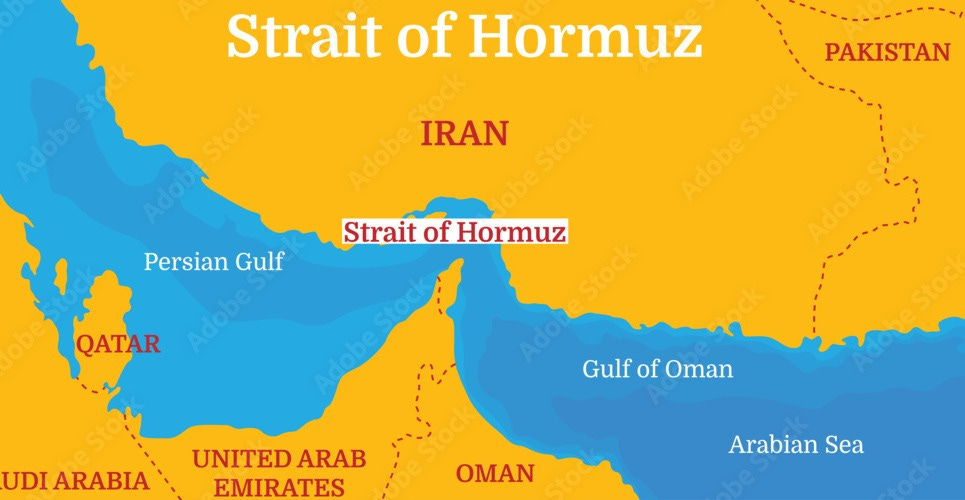
The Waterway That Supplies the World
The Strait of Hormuz is the narrow shipping channel located off the coast of Iran. Roughly 20% of the world’s oil supply moves through this narrow stretch of water. In addition to oil, about one-third of the world’s supply of Liquefied Natural Gas (LNG) also passes through the waterway—particularly from Gulf countries such as Qatar.
Most of us, when we hear the words oil and natural gas, we think of fuel, but these products are also inputs that are used in manufacturing other important goods for various industries:
Pharmaceuticals
Agriculture
Manufacturing
Technology
So, when flow through the Strait slows—or stops—it’s not just energy that is affected. It’s everything derived from oil and gas and adjacent to oil and gas.
Medicine: How Conflict in the Middle East Can Affect Your Access
Most of the drugs we consume are generic drugs. That is because they are the cheaper alternative and most health insurers either will only pay for generics and/or will charge hefty copayments for brand name medications.
1. India as a supplier of medicines and vaccines
India is the largest supplier of generic drugs globally. They provide about 1 in 5 generic medicines worldwide, including a significant portion of those consumed here in the U.S.
India also produces about sixty percent of vaccines globally. They are often referred to as the “pharmacy of the world”. Their dominance is the result of a mix of policy focus, technical capability, and economics:
§ Their government supports pharma through policy and manufacturing incentives
§ They produce many Chemists, Pharmacists and Engineers
§ They have very low production costs in terms of labor, supply chain and factory scale
§ Their patent laws do not favor product patents
§ They have the largest number of FDA compliant manufacturing facilities outside the U.S.
In short, India designed a system that made low-cost, high-volume manufacturing a priority and focused on global export, making them an indispensable supplier to global healthcare.
Spikes in oil prices and/or supply disruption:
Manufacturing costs rise
Transportation costs increase
Export prices follow
These higher costs trickle down to consumers like pharmacies and hospitals and then it trickles down to the everyday consumer.
Also, when we think of oil production, we mostly think in terms of gas prices, but petrochemicals are used in the manufacture of drugs:
Oil is used to produce:
solvents
plastics for packaging
chemical intermediates in drug synthesis
This is how conflict half-way around the world can affect the price of and your access to medicine. Next, I’ll explain how oil industry disruption affects the food on your table.
Fertilizer: The Cost of Food Starts Here
Fertilizer is another essential good that is one of the most oil- and gas-dependent products in the world.
One of the key ingredients in ammonia-based fertilizers is natural gas. Ammonia-based fertilizers are essential for large-scale agriculture. Big Agriculture gets it
When the supply of Liquified Natural Gas (LNG) is disrupted:
Fertilizer production slows
Prices spike globally
Which directly impacts:
crop yields
food supply
grocery prices
Qatar is one of the world’s largest LNG exporters and they export through the Strait of Hormuz. This is how a shipping disruption thousands of miles away causes higher prices for eggs, vegetables, and meat at your local store. And that’s not all, there is a third product that will most likely see disruption because of the situation in the Middle East caused by the Trump and Netanyahu’s War.
Helium: The Shortage No One Sees Coming
Now here’s where it gets unexpectedly specific.
Helium—yes, helium—is a byproduct of natural gas production.
And one of the world’s largest suppliers is Qatar, which exports helium derived from LNG processing.
When LNG exports are disrupted, helium production slows and global supply contracts.
Helium is not just what you put in mylar balloons, it is a critical input for:
MRI machines
semiconductor manufacturing
scientific research
A shortage can delay:
medical imaging
tech production
hospital operations
Again, this directly impacts human lives and could mean life or death. Another example is plastics.
Plastics, Packaging, and Everyday Goods
From shampoo bottles to food containers, plastics become more expensive to produce when the supply of oil is disrupted. Oil derivatives are embedded in nearly everything you buy.
When supply chains tighten, you see increases in packaging costs, electronics, and consumer goods; and companies will respond the same way they always do: they will raise prices, cut corners, and reduce production.
And now, let’s bring it back to what is usually at the forefront of everyone’s minds when there is trouble in the Middle East: gas prices.
Even if a product isn’t directly tied to oil, it still has to be transported from point A to B.
When fuel costs rise:
shipping becomes more expensive
delivery timelines slow
logistics systems strain
This affects:
online shopping
grocery restocking
medical supply distribution
Transportation doesn’t just add cost—it amplifies it at every stage.
What This Means for Everyday Americans
This is where the domino effect becomes personal. What looks like a distant geopolitical issue rarely stays distant for long. It shows up quietly—when you go to pick up your medicines at the pharmacy, on your receipt from the store, when you can’t find that item you’re looking to buy. Not as a single shock, but as a steady disruption of and burden in daily life.
These aren’t isolated problems. They’re symptoms of a system built for efficiency, not resilience—where a single disruption can ripple across supply chains and into your home.
And that’s the real risk: not just higher prices, but reduced access, longer waits, and growing uncertainty.
So, the question isn’t just how high gas prices will go.
It’s how deeply those hidden connections are already reshaping what you can afford, what you can find, and how you live.