



You’re either for an authoritarian government or for democracy—there’s no in-between. Still, many influencers, entertainers, and professionals try to keep their brands “friendly” and avoid politics altogether.

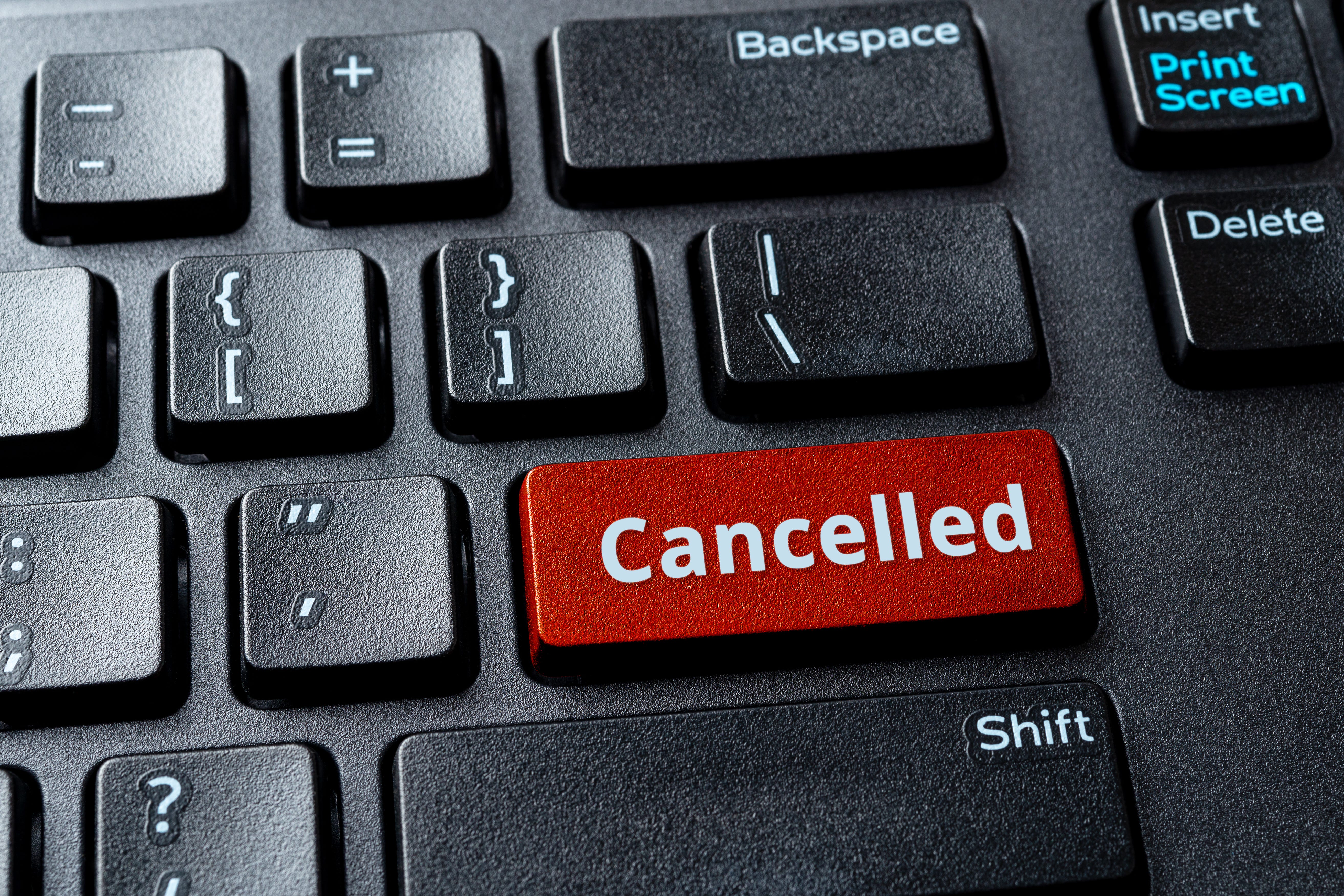
Lately, people from all sides of the political spectrum have had a lot to say about “cancel culture.” Those on the right often feel they should be able to say whatever comes to mind—even if it’s racist, misogynistic, or outright hateful—and face zero consequences. Some have even gone as far as to flirt with or openly embrace Nazism. Meanwhile, those on the left are growing increasingly concerned that simply speaking out against that kind of rhetoric will make them a target of the current regime in Washington, D.C.
These fears aren’t exactly unfounded. Many point to the newly established “Department of Government Efficiency” (DOGE)—and reports of its likely consolidation of Americans’ sensitive financial, medical, and personal data from across government agencies—as evidence of overreach and the potential of being able to create dossier style profiles on every American citizen. Then there’s the Attorney General, whose aggressive posture toward people who they view as “dissenters”, including threats aimed at sitting members of Congress, has only fueled fears of authoritarianism. It's important to remember free speech is not just a personal right—it's a constitutionally protected right for both citizens and non-citizens in this country. It is also the job of members of Congress, as a co-equal branch of government, to speak on issues and hold the President and his administration accountable to the People. Therefore, congressional members do not forfeit their right of free speech when they take office and definitely should not be threatened with legal retribution.
The Disappearing Center
Then there’s the so-called “center,” though honestly, does that even exist anymore? It feels like we’re past the point of neutrality. You’re either for an authoritarian government or for democracy—there’s no in-between. Still, many influencers, entertainers, and professionals try to keep their brands “friendly” and avoid politics altogether.
But does that really work anymore? Or does it just make them look out of touch? If you stand for nothing, do you really stand for anything?
The Fear Is Real
People have a genuine fear of being canceled these days. Hell, even I struggled with it as we launched The Pragmotiv Podcast. I worried: What if I misspeak on something I’m not well-informed on? Take LGBTQ+ issues, for example. For a long time, I didn’t fully understand the importance of pronouns. But I never judged—because I lead with empathy. I took the time to educate myself and realized this was an issue that mattered deeply to many of my fellow citizens. So instead of choosing to remain ignorant on the matter, I chose to become an ally and educate myself.
But for some people, empathy isn’t even on the table. Some seem to thrive on division and chaos, tearing others down instead of building bridges. We won’t go far thinking like that.
Intention Still Matters
Eventually, I came to an important realization: intention matters. If you say something harmful unintentionally, you can apologize, learn, and grow from it. That’s healthy for public discourse. It allows issues that are often ignored to come to light and creates opportunities for understanding.
But for those who intentionally cause harm, that’s a different conversation entirely.
Should Cancel Culture Be Canceled?
Some argue that cancel culture should be canceled altogether. I disagree. First off, every individual has the right to support—or not support—whomever they choose. The idea that we should force people to support brands or individuals who’ve done harm to them is fundamentally un-American.
Secondly, cancel culture, when used responsibly, can be a powerful tool for accountability. Look at what’s happening with Target. They capitulated to an administration intent on undoing decades of progress in civil rights and voting rights—and now they’re paying the price. Their stock is down, and shoppers are walking away by the millions.
On the flip side, cancel culture can work in reverse. Take Costco, for example. Their public commitment to diversity and inclusive hiring practices has resonated with consumers, leading to a noticeable boost in business. That’s how a values-driven brand wins.
Has Cancel Culture Gone Too Far?
Like anything powerful, cancel culture can be taken too far. “Canceling” someone can be an incredibly effective economic and social tool—but it needs to be used with intention, not recklessness.
So should people continue to censor themselves out of fear? Honestly, I don’t think so. We’ve entered a new era where being overly polished and politically correct is no longer “in.” People crave authenticity. They want the real—not the scripted.
And I agree. There’s freedom in that kind of honesty. And what’s more American than speaking freely?
Just know this: if you choose to speak your truth, be ready to stand on business. Back it up. Take accountability. Because while free speech is a right, it’s not free of consequences.
And that’s the real price of speaking freely in today’s world.