


The first two parts of this series discussed how foreign relationships, Trump-family business interests, public spending, tariff policy, and federal contracts have been handled during the current Trump regime.
The actions of this administration surrounding those things are serious. But even more serious questions to consider are whether the power of the federal government and taxpayer funds are being reshaped, deployed and implemented around the president’s political loyalties and personal grievances.
Our democracy can survive political arguments about taxes, trade, spending, and regulations. It cannot easily survive a system in which people who support Trump receive special government benefits while people who investigate, criticize, or oppose him face professional, financial, and legal punishment.
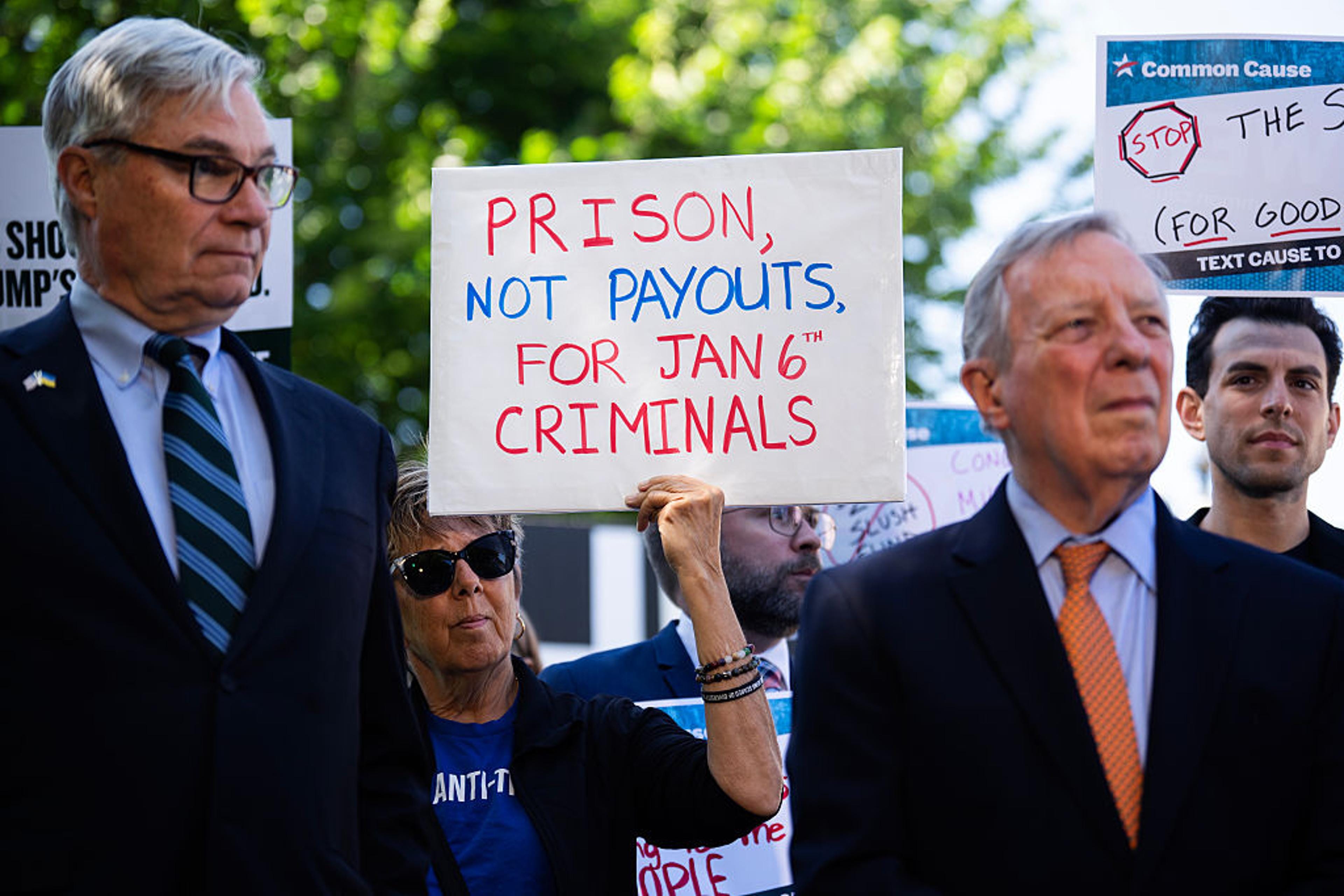
Photo credit: Time
The Anti-Weaponization Fund
The controversy surrounding the proposed Anti-Weaponization Fund was fast and loud when the news of it first broke. The idea that the government would use taxpayer funds to reward people aligned with Trump’s political movement has not set well with most Americans.
In May 2026, the Justice Department announced the fund would receive approximately $1.776 billion from the federal Judgment Fund aspart of a settlement agreement in Trump’s lawsuit involving the Internal Revenue Service. The Judgment Fund is a pool of taxpayer fundsused to pay certain judgments and settlements against the United States.
Once it was reported that potential beneficiaries could include January 6 defendants, watchdog groups and Congressional Democrats argued it was an unconstitutional and politically controlled slush fund that could be used to compensate people who merely claimed to have been mistreated by the Biden administration.
In our country, there is a pathway to remediate legitimate claims and damages suffered by citizens. It’s called the Federal court system.Critics are concerned that the so-called Anti-weaponization fund would give the president control of a politically influenced pool of public money that may favor his supporters and allies. Worse yet, Trump may possibly have power over the fund’s commissioners, and the identity of recipients may be kept hidden from the public. This is giving “third world” country vibes. We never used to be a country where public funds were blatantly earmarked as a reward for loyalty to the president. This type of thing is what we are used to reading about in countries like Russia and other authoritarian-led governments.
Bipartisan outcry eventually made the administration scrub the idea. But during the senate confirmation hearings that followed, Trump’s nominees for various positions consistently refused to commit to the fund not being resurrected and implemented. On August 2nd, Attorney General Todd Blanche issued a formal order terminating the fund.
But, given this administration’s actions, how can we trust that the fund will not be resurrected in some fashion?
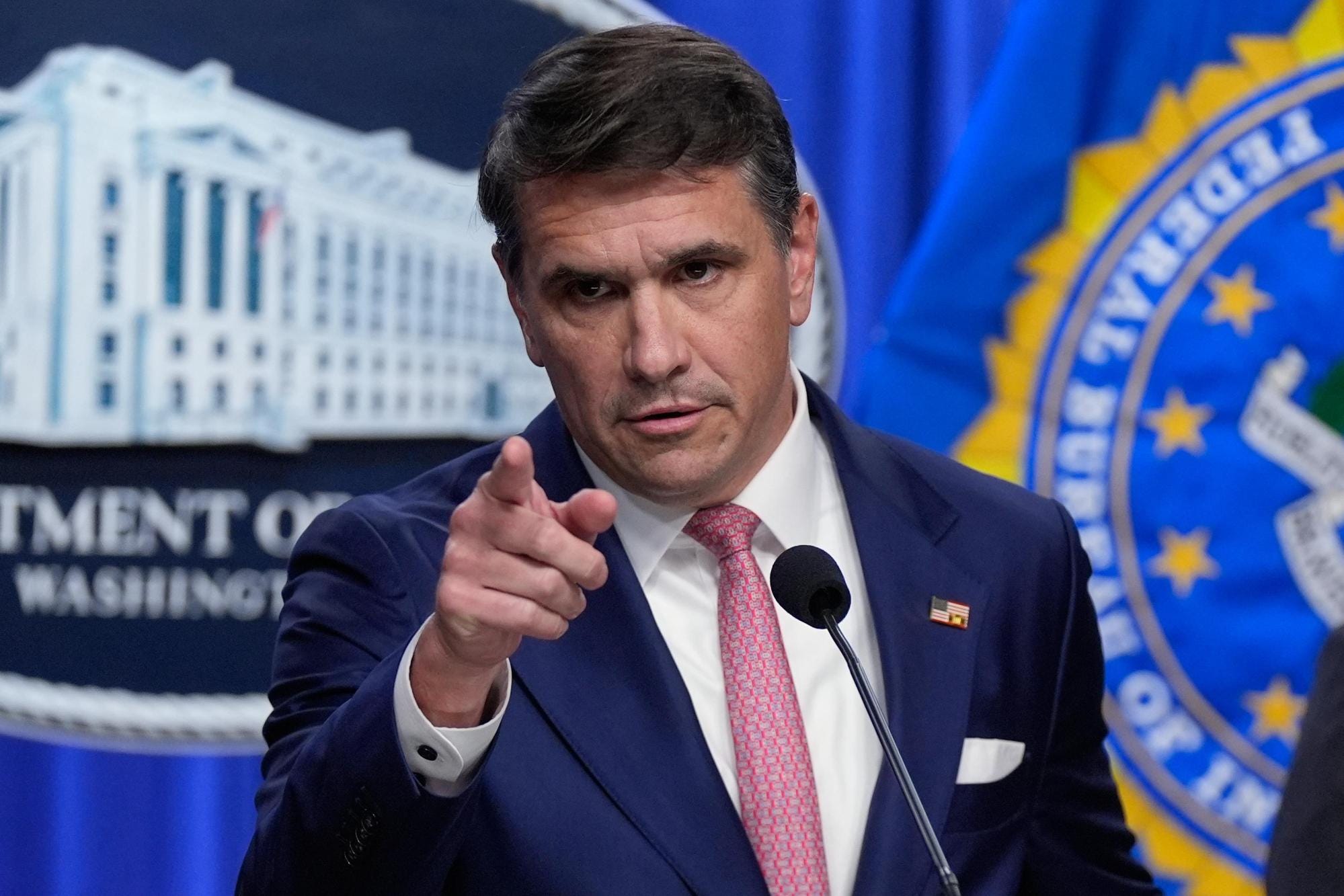
Photo credit: The Sun Sentinel
Breaking the Justice Department
Equally alarming are the changes that have taken place inside the Justice Department. The Department of Justice is supposed to function differently from a campaign, a family business, or a political movement. It has political leadership, but it is supposed to (and historically used to) depend on career prosecutors, investigators, ethics officials, and institutional guardrails designed to ensure criminal enforcement wasn’t weaponized. How ironic. This administration wants to pay billions of our tax dollars to those they claim the Biden administration weaponized the government against, while simultaneously weaponizing the government against its perceived critics and enemies.
The two major changes that have occurred with the department under Trump are a shift in priorities toward immigration, cartels, terrorism, and fraud, while its internal guardrails against politicization have been weakened through a diligent hollowing-out of career personnel. This has been done through firings, retirements, resignations, and reassignments, the result of which is a change in culture.
Reuters reported that, by June 2025, the Justice Department had fired 17 people associated with former Special Counsel Jack Smith’s investigations of Trump. The dismissals included employees who had worked on cases related to Trump’s handling of classified documents and efforts to overturn the 2020 election.
Justice Connection, a network of former Justice Department employees, estimates that more than 230 DOJ lawyers, agents, and staff members have been fired since 2025. The group says it appears many employees were targeted because of past assignments, criticism of Trump or other reasons that were not related to performance or misconduct.
The department’s independence depends on career staff being able to investigate, prosecute, and advise without fear that their work will make them a target of the administration or end their career. If a line prosecutor or staff member fears their livelihood will be taken away for simply doing their job, they will be less likely to vigorously pursue investigations. Is the department being reshaped to enforce the law more efficiently, or to ensure that there is no internal resistance when Trump demands action against his enemies or protection for his allies?
Retaliation as Governance
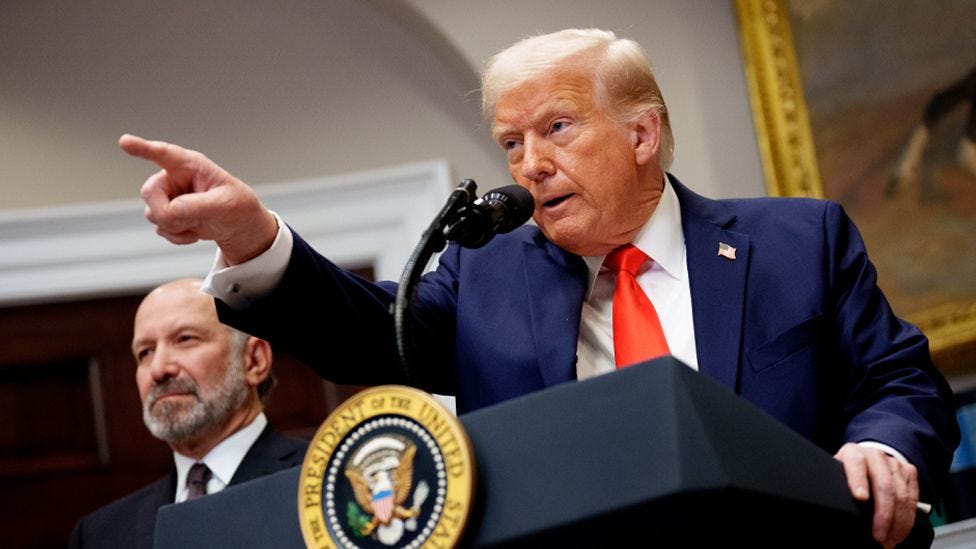
Reuters has reported that at least 470 people, organizations, and institutions have been targeted for retaliation since the beginning ofTrump’s second term. There have been firings, investigations, security-clearance revocations, and funding penalties. Targets includefederal employees, prosecutors, universities, law firms, media organizations, and civil servants. Notably, the Justice Department’s effort to revive cases against former FBI Director James Comey and New York Attorney General Letitia James received judicial scrutiny and areamong the most prominent examples of federal law enforcement being used against perceived political enemies.
When viewed in totality, a clear pattern of what appears to be self-dealing, retaliation, and cronyism emerges.
The larger pattern
There is a definite and unmistakable pattern evident to anyone who scrutinizes the actions of this administration.
Foreign governments can offer valuable benefits. Wealthy investors can enter Trump-family businesses. Contractors can cultivate family connections. Political allies can seek government remedies. Critics can lose jobs, funding, access, or legal security. And the Justice Department can be remade by removing the officials most likely to resist political pressure.
The available evidence does not establish a criminal quid pro quo in every instance. It does, however, document an environment where private wealth, political loyalty, family business interests, foreign influence, and federal power increasingly appear to reinforce one another. This is the corruption concern at the heart of Trump’s second term.
The Trump-era question is no longer simply whether a president can keep a business empire while holding office. It is whether the American public can reliably distinguish public policy from private enrichment when foreign governments, crypto investors, political supporters, contractors, and targets of federal investigations all have potential financial or political reasons to seek favor from the same family at the center of government power.